Barcelona’s Art Soul: Where Culture Lives in Every Corner
You know that feeling when a city just gets you? Barcelona did that to me. It’s not just the architecture or the light—it’s how art spills into streets, cafés, and even the way people move. From Gaudí’s dreamlike shapes to hidden courtyards humming with creativity, this city is a living gallery. I never expected culture to feel so alive, so Instagram-worthy at every turn. If you’re chasing beauty with soul, Barcelona doesn’t just deliver—it surprises.
The Heartbeat of a Creative City
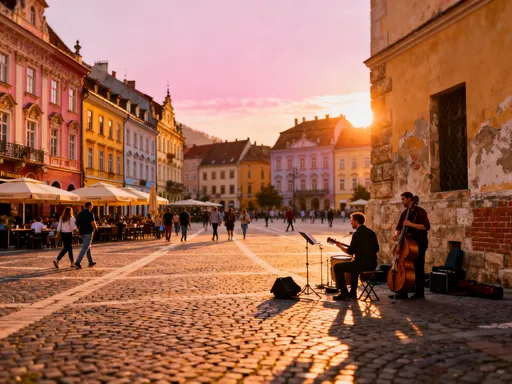
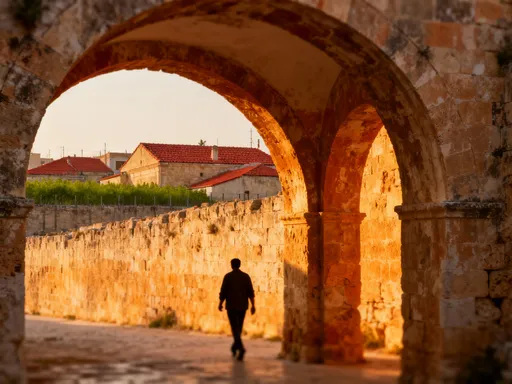
Barcelona pulses with a rhythm that feels both spontaneous and deeply rooted. It is a city where creativity isn’t reserved for museums or concert halls—it flows through the veins of everyday life. From the tiled fountains in quiet plazas to the hand-painted signs above family-run boutiques, art is not an afterthought but a language spoken fluently by its people. Walking through the Gothic Quarter, one might stumble upon a violinist playing beneath ancient arches or a muralist adding color to a centuries-old wall. These moments are not staged for tourists; they are lived experiences woven into the fabric of the city.
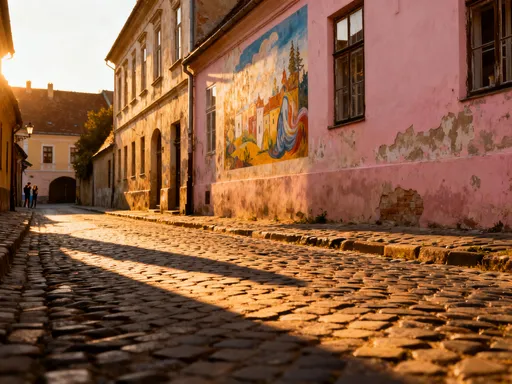
The artistic atmosphere of Barcelona is shaped by its layered history and Catalan identity. Each neighborhood carries its own creative signature. In Gràcia, balconies bloom with potted geraniums and handmade wind chimes, while in El Raval, bold murals transform narrow alleyways into open-air galleries. The city’s design encourages interaction with art—public benches shaped like waves, lampposts wrapped in mosaic, and fountains that double as sculptures. This integration makes the experience of art continuous, not confined to a checklist of landmarks.
What makes Barcelona truly special is how accessible this creativity feels. A grandmother might be seen knitting on a park bench beneath a sculpture by Josep Clarà, while children chase pigeons around the base of a modernist fountain. There’s no barrier between the observer and the artwork. This democratization of beauty allows visitors to feel not like outsiders, but participants. Whether it’s the aroma of fresh paint from an open studio or the sound of a street pianist playing a Chopin nocturne, the city engages all senses, making art not something to be seen, but something to be lived.
Gaudí’s Magic: Beyond the Postcard
No conversation about Barcelona’s art soul is complete without Antoni Gaudí. His architectural vision transcends function, turning buildings into emotional experiences. While many recognize his work from postcards and travel brochures, standing beneath the towering spires of the Sagrada Família offers a revelation that no photograph can capture. The basilica, still under construction more than a century after its foundation, is a symphony of light and stone. Sunlight filters through stained glass in waves of violet, gold, and deep green, casting a kaleidoscope across the forest-like columns that rise like trees in a sacred grove.
What makes Gaudí’s work so powerful is his fusion of nature, faith, and innovation. At Park Güell, mosaic-covered benches snake along hillside pathways, their undulating forms echoing the curves of the Mediterranean coast. The famous salamander statue, glittering with broken tile, invites touch and wonder. Families gather on the grand staircase, children climbing the railings like explorers in a fairy tale. The park is not just a place to visit—it’s a space to play, reflect, and reconnect with imagination.
Casa Batlló, nestled along Passeig de Gràcia, presents another dimension of Gaudí’s genius. Its facade resembles the scales of a dragon, shimmering in blues and greens, while the balconies mimic skeletal masks—evoking both myth and mortality. Inside, the absence of straight lines creates a dreamlike flow, as if the house itself is breathing. To appreciate these sites fully, timing is key. Early morning visits, just after opening, offer quieter moments and softer light, ideal for photography without crowds. Tickets purchased in advance not only save time but often include access to exclusive viewpoints, such as the towers of Sagrada Família, where the city unfolds in a panoramic embrace.
Hidden Courtyards and Secret Studios
Beyond the iconic landmarks, Barcelona’s true artistic spirit thrives in its hidden corners. Tucked behind unassuming doors in the Eixample district are modernist courtyards—*patios modernistas*—that remain private yet visible, offering glimpses into a bygone era of elegance and craftsmanship. These inner sanctuaries, often lit by skylights and adorned with floral ironwork, were designed as communal spaces where residents could escape the bustle of the city. Though not all are open to the public, some buildings participate in cultural initiatives like Barcelona Modernisme Week, when dozens of courtyards welcome visitors for guided tours.
For a more intimate encounter with living art, the Poblenou neighborhood has emerged as a hub for contemporary creators. Once an industrial zone, it now hosts artist studios, design collectives, and independent galleries. Here, ceramicists shape clay into organic forms, glassblowers craft stained windows using century-old techniques, and textile artists weave fabrics inspired by Catalan folklore. Many of these studios open their doors during events like Open Studio Days, typically held in spring and autumn, allowing travelers to watch artisans at work, ask questions, and even take home a one-of-a-kind piece.
Cultural associations such as the Craftsmanship and Design Centre of Catalonia play a vital role in preserving these traditions. They offer workshops in *trencadís* (the mosaic technique Gaudí popularized), wrought iron design, and lace-making—skills passed down through generations. Participating in a short class not only deepens appreciation but creates a personal connection to the city’s creative lineage. These experiences, far from the selfie sticks and tour groups, offer authentic moments that resonate long after the trip ends.
The Rhythms of Catalan Culture
In Barcelona, art is not only seen—it is heard, felt, and celebrated in motion. Traditional Catalan music and dance bring the city’s heritage to life in vibrant, communal expressions. The sound of the *gralla*, a double-reed instrument with a piercing, joyful tone, often echoes through the streets during festivals. Accompanied by the steady beat of the *timbal* (drum), it sets the pace for one of Catalonia’s most iconic traditions: the *castells*, or human towers.
Witnessing a *castell* is both thrilling and moving. Teams of men, women, and children form multi-tiered towers, sometimes reaching nine levels high, relying on trust, strength, and precision. The crowd holds its breath as the youngest climber, the *anxaneta*, ascends to the top and raises a single hand in triumph. This tradition, recognized by UNESCO as Intangible Cultural Heritage, is more than performance—it is a symbol of unity, resilience, and collective courage. Events like La Mercè, the city’s annual festival in September, showcase dozens of *colles castelleres* (tower-building groups) in Plaça de Sant Jaume, turning the square into a stage of human harmony.
Another beloved celebration is Sant Jordi Day, often called the Catalan Valentine’s Day. On April 23, the city transforms into a garden of roses and books. Stalls line Las Ramblas, offering red roses to loved ones and paperbacks with ribbons. Streets buzz with readings, poetry recitals, and live music. Unlike commercial holidays, Sant Jordi blends romance with intellectual celebration, honoring both Saint George and the legacy of literature. For visitors, it’s a chance to experience how culture here is not preserved behind glass, but lived with passion and pride.
Museums with a View: Where Art Meets Instagram
Barcelona’s museums are masterclasses in blending art, architecture, and atmosphere. They are not merely containers for masterpieces but destinations in their own right, designed to enhance the emotional impact of what lies within. The Museu Nacional d’Art de Catalunya (MNAC), perched atop Montjuïc hill, offers one of the most breathtaking city views in Europe. Its grand staircase, reminiscent of St. Peter’s in Rome, leads to a neoclassical palace housing centuries of Catalan art. But many visitors linger not inside, but on the rooftop terrace, where the skyline of Barcelona stretches from the sea to Tibidabo, especially stunning at sunset.
The Museu d’Art Contemporani de Barcelona (MACBA) in El Raval presents a different aesthetic—sharp, minimalist, and bold. Its white geometric structure contrasts with the neighborhood’s grittier textures, while the surrounding plaza has become a cultural crossroads. Skateboarders glide across the smooth concrete, musicians perform on weekends, and street artists often use the walls as temporary canvases. Inside, the museum features avant-garde works from the 20th and 21st centuries, but it’s the dialogue between the building and its environment that makes the visit unforgettable.
The Picasso Museum, housed in five medieval palaces in El Born, offers intimacy and light. Its inner courtyards, drenched in Mediterranean sun, provide perfect natural lighting for quiet reflection. The collection traces Picasso’s early development, including his formative years in Barcelona. To avoid crowds, visiting on a weekday morning or during the extended evening hours in summer is ideal. Photography is permitted in most areas without flash, allowing visitors to capture not just the art, but the play of light on stone walls and wooden beams—a subtle reminder that beauty exists in the details.
Street Art with a Story: From El Raval to Gràcia
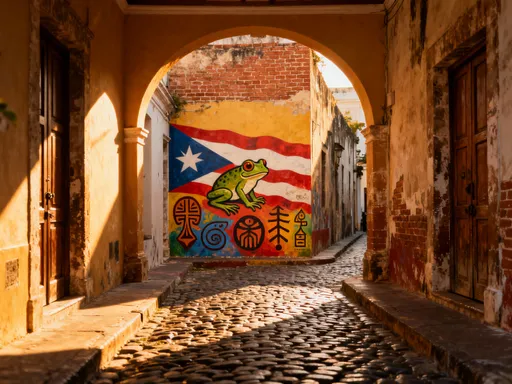
Barcelona’s street art is far more than decorative graffiti—it is a dynamic form of storytelling and social commentary. In neighborhoods like El Raval and Poblenou, walls serve as public diaries, reflecting concerns about immigration, housing, and identity. One mural might depict a faceless bureaucrat holding a city in chains, while another celebrates a local activist with vibrant colors and poetic text. These works are often created by collectives such as Boa Mistura or Escif, artists known for their community-driven projects and political awareness.
In Gràcia, the tone shifts toward whimsy and celebration. Murals feature dancing cats, flying fish, and surreal landscapes that transform drab walls into portals of imagination. The neighborhood’s annual Festa Major de Gràcia in August takes this spirit further, when streets are elaborately decorated by residents with handmade installations, turning the entire area into a temporary art festival. Unlike commercial displays, these creations are labors of love, built from recycled materials and collective effort.
Engaging with street art requires respect and curiosity. Many pieces are temporary, vulnerable to weather or city cleanup, so photographing them is a way to honor their existence. Learning the stories behind them—through local guided tours or artist interviews—adds depth to the experience. Some murals include QR codes linking to explanations or audio narratives, blending tradition with technology. By viewing street art not as vandalism but as dialogue, visitors become part of the conversation, appreciating how art can challenge, comfort, and inspire all at once.
Living Like a Local Artist: Cafés, Markets & Routines
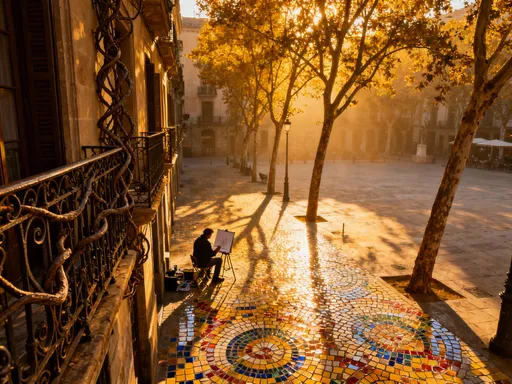
To truly absorb Barcelona’s art soul, one must slow down and adopt the rhythm of its people. This means embracing small rituals that invite presence and creativity. Begin at Plaça de Sant Felip Neri, a quiet square with a tragic history and haunting beauty. Its curved facade, pockmarked from Civil War bombings, now hosts artists sketching by day and couples sipping wine by candlelight at night. Sitting here with a notebook, even for 20 minutes, can recalibrate the mind to notice details—a shadow on stone, the pattern of ivy, the way light shifts as the sun dips behind the church.
Modernist cafés offer another window into the city’s aesthetic. Cafè de l’Òpera, near Liceu Theatre, retains its 19th-century elegance with marble counters and stained glass. Ordering a *cafè amb llet* (coffee with milk) and a *xuixo* (a Catalan cream pastry) turns a simple break into a sensory experience. The act of sipping slowly, watching people pass by, becomes a form of mindfulness. Other historic cafés, like Granja Viader or Can Culleretes (Barcelona’s oldest restaurant), preserve traditions that link the present to the past.
No artistic journey is complete without a visit to La Boqueria Market. Though crowded, its explosion of color—pyramids of fruit, glistening seafood, wheels of cheese—is a feast for the eyes. Photographers find endless compositions here, from the curve of a mango to the texture of saffron threads. But beyond the visuals, talking to vendors reveals stories: a fishmonger describing the day’s catch, a flower seller arranging bouquets with geometric precision. These interactions ground the experience in humanity, reminding us that culture is not static, but alive and evolving.
For those seeking to create, carrying a small sketchpad or journal enhances the journey. Natural light is abundant, especially in the mornings, making it ideal for drawing or writing. Engaging locals—asking for their favorite hidden spot or a recommendation for a quiet gallery—often leads to unexpected discoveries. These moments of connection transform a trip from sightseeing to soul-seeing.
Conclusion
Barcelona teaches us that art isn’t something you visit—it’s something you inhabit. When culture shapes a city’s soul, every corner becomes a canvas, every moment a potential masterpiece. This isn’t just travel; it’s transformation. So pack your curiosity, charge your phone, and let the city show you how beauty lives—loudly, proudly, and always ready for the shot.