Wheels, Wind, and Fukuoka’s Hidden Corners: A Drive to Remember
You know that feeling when the open road meets pure freedom? I hit the asphalt in Fukuoka with no rigid plan—just my playlist, full tank, and curiosity. What I found weren’t just tourist spots, but leisure gems only accessible by car: quiet coastal parks, tucked-away onsen towns, and seaside cafés with views that make you pull over and stare. Self-driving here isn’t just convenient—it’s transformative. For travelers seeking more than the usual city sights, a rental car unlocks the quieter, richer rhythms of Kyushu’s northern gateway. This is not just about mobility; it’s about autonomy, spontaneity, and the kind of serendipitous discoveries that turn a good trip into a lasting memory.
Why Self-Driving Unlocks Fukuoka’s True Rhythm
Fukuoka is often introduced to international visitors as a compact urban destination—renowned for its vibrant food stalls, modern shopping arcades, and lively riverfront parks. While the city’s energy is undeniable, its deeper charm lies just beyond the skyline, scattered across coastal inlets, rural hamlets, and seasonal nature escapes that remain out of reach for those relying solely on public transportation. This is where self-driving transforms the travel experience. With your own vehicle, the boundaries of your journey expand dramatically, allowing you to explore at your own pace and respond to impulse—a sudden desire to watch the sunset over the sea, or a craving for fresh fruit from a roadside stand.
Public transit in Fukuoka is efficient within the city, but regional access can be limited. Bus routes often end early, and train lines don’t always serve scenic coastal or mountainous areas. For families, couples, or solo travelers carrying gear for picnics, swimming, or hiking, lugging bags across multiple transfers can quickly drain the joy from exploration. By contrast, renting a car grants seamless transitions from urban buzz to countryside calm. It enables day trips that would otherwise require careful planning or guided tours, giving you the flexibility to linger where you please and skip what doesn’t resonate.
For international drivers, the process is straightforward. Visitors from many countries can drive in Japan with an International Driving Permit (IDP) alongside their passport and home license. Major rental agencies such as Toyota Rent a Car, Nippon Rent-A-Car, and Times Car Rental have desks at Fukuoka Airport and central train stations, offering English-speaking staff and GPS units with English navigation. Vehicles range from compact fuel-efficient models ideal for city driving to larger SUVs suited for longer excursions. The roads are well-maintained, signage is clear (with many directional signs in English), and driving etiquette is courteous and predictable.
More than just practicality, self-driving introduces a new dimension to leisure travel: the joy of the journey itself. Instead of viewing travel time as dead time, you begin to appreciate the changing landscapes—the shift from concrete to coastline, from bustling intersections to quiet farm roads edged with hydrangeas. This fluid movement between environments mirrors the essence of Fukuoka: a place where modernity coexists with nature, and where spontaneity is rewarded with beauty.
From City Buzz to Countryside Calm: The First Leg
Leaving Fukuoka City behind, the road begins to unwind like a ribbon across the northern coastline. One of the most rewarding early detours is Nokonoshima Island Park, accessible via a scenic coastal drive to the ferry terminal at Meinohama. The short car ferry ride—just minutes long—adds to the adventure, depositing you on a tranquil island blooming with seasonal flowers. In spring, tulips blanket the hillsides; in summer, vibrant cosmos and sunflowers sway in the sea breeze. The park offers walking trails, picnic areas, and even bicycle rentals, making it a delightful destination for families or couples seeking a relaxed outdoor experience.
What makes Nokonoshima special is its balance of accessibility and seclusion. Though only a short distance from the city, it feels worlds away—a green oasis where time slows and the only sounds are birdsong and distant waves. Because most foreign tourists rely on rail access, this island remains under-visited compared to Fukuoka’s more famous attractions. With your own car, you can time your visit to avoid local weekend crowds, enjoy a quiet lunch with a view, and linger until the golden hour paints the flowers in soft light.
Another gem along this coastal route is Uminonakamichi Seaside Park, a long, narrow peninsula extending into Hakata Bay. Spanning over 120 hectares, the park is a haven for nature lovers and active travelers alike. It features themed botanical gardens, cycling paths that stretch for kilometers, and quiet picnic zones nestled among pine trees. The park is especially beautiful in April, when over 10,000 cherry trees bloom along the central avenue, creating a dreamlike tunnel of pink blossoms. Unlike more crowded urban parks, Uminonakamichi allows space to breathe—perfect for a leisurely ride, a kite-flying afternoon, or a quiet moment by the water.
Driving here means you can bring everything you need: picnic baskets, beach towels, bicycles, or even a portable grill (used only in designated areas). There’s ample parking near the main entrances, and facilities are clean and family-friendly. For parents traveling with young children, the ability to pack gear without limits—and return to the car easily—makes a huge difference in comfort and enjoyment. These parks aren’t just destinations; they’re invitations to slow down and reconnect, something that’s easier to do when you’re not racing back to a train schedule.
The Onsen Detour: Hakata to Itoshima via the Sea Road
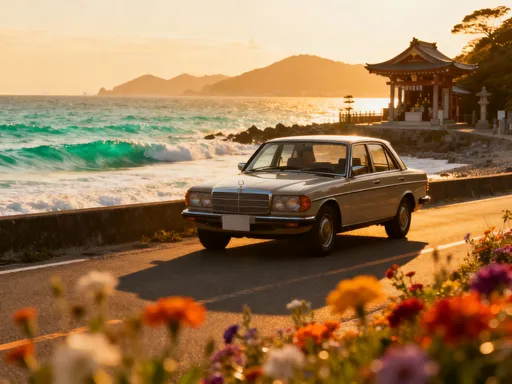
One of the most visually stunning drives from Fukuoka City leads west to the Itoshima Peninsula, a coastal region celebrated for its natural beauty and spiritual sites. The journey begins smoothly along Route 3 and then transitions onto the Genkai Sea Road, a stretch of highway that seems to float above the water, with turquoise waves shimmering on both sides. This is not just a transit route—it’s an experience in itself, offering panoramic views that invite frequent photo stops and quiet reflection.
The Itoshima Peninsula is home to Ainohama Beach, a soft-sand shoreline known for its calm waters and scenic backdrop. It’s an ideal spot for a midday break, whether you want to dip your toes in the sea, stroll along the shore, or simply sit and listen to the waves. Nearby, Tashima Shrine offers a different kind of serenity. Perched on rocky outcrops overlooking the ocean, the shrine features wooden walkways that stretch over tidal pools, creating a peaceful atmosphere enhanced by the sound of wind chimes and distant gulls. Unlike more commercialized shrines, Tashima retains a quiet, contemplative energy—perfect for a moment of stillness during your journey.
No visit to Itoshima is complete without stopping at Michi-no-Eki Itoshima, a roadside station that has become a beloved local institution. These government-supported rest areas are common across Japan, but the one in Itoshima stands out for its quality and charm. Inside, you’ll find a marketplace selling regional specialties: fresh oysters, handmade ceramics, local sake, and dried seaweed harvested from the nearby coast. The real highlight, however, is the food hall, where you can enjoy a bowl of sashimi so fresh it tastes like the ocean itself, or a steaming plate of grilled fish served with pickled vegetables and miso soup.
What makes Michi-no-Eki special is its integration with the landscape. Large windows and outdoor seating areas face the sea, allowing you to dine with a view of the waves. Families gather at picnic tables, elderly couples sip tea slowly, and travelers like you pause to recharge—both physically and emotionally. There’s no rush, no pressure to move on. This is leisure in its purest form: simple food, natural beauty, and the freedom to stay as long as you like. With your car parked nearby, you can take your time, browse the crafts, and even pick up souvenirs for loved ones back home.
Food Stops That Make the Drive Worth It
A road trip is only as good as its food stops, and Fukuoka delivers in abundance. Known as Japan’s culinary capital in many circles, the city and its surrounding areas offer a rich tapestry of flavors that go far beyond the famous yatai (street food stalls). Driving allows you to eat like a local—not on someone else’s timetable, but at your own rhythm. Whether it’s a quick bite from a convenience store or a lingering meal at a seaside market, the car gives you access to authentic, flavorful moments that define the region’s food culture.
Start with the humble konbini—Japan’s iconic convenience stores. Along highways and in small towns, 7-Eleven, FamilyMart, and Lawson offer more than snacks and drinks. They serve freshly steamed mentaiko buns, onigiri filled with salmon or pickled plum, and hot coffee brewed to perfection. Pulling into a quiet rest area with a view and unwrapping a warm bun as the sun rises or sets—this is a small luxury that many travelers overlook. These moments of simple comfort become highlights when you’re exploring at your own pace.
For a more substantial meal, head to the Fukuoka Central Fish Market, located just south of the city. Arrive in the morning to see fishermen unloading their catch, then visit the attached food court where vendors prepare sashimi bowls within minutes of the fish being cut. The marinated tuna, sweet scallops, and buttery yellowtail are served over rice with a dab of wasabi and pickled ginger—a meal that’s both nourishing and deeply satisfying. Because you’re driving, you can take your time, enjoy a second bowl, and even buy fresh seafood to cook later if your accommodation has a kitchen.
Another must-try experience is visiting a drive-in food park—open-air complexes where multiple food vendors operate under one roof, often with parking right outside your window. These are especially popular in the evening, when families gather to enjoy grilled skewers, ramen, and local specialties like motsunabe (offal hotpot) or mizutaki (chicken hotpot). The atmosphere is casual and welcoming, with children playing nearby and music playing softly in the background. Unlike urban restaurants with strict seating times, these spots encourage lingering, making them ideal for travelers who want to relax after a day on the road.
Hidden Parks and Urban Escape Pods
Even within Fukuoka City, driving opens doors to quieter, less crowded corners of nature and history. While Ohori Park is well-known for its central lake and Chinese-style pavilion, most visitors enter from the main gates near Tenjin or Nishitetsu stations. By car, you can access the park’s northern or western entrances, where foot traffic is lighter and the atmosphere more peaceful. Early mornings here are especially lovely, with mist rising off the water and joggers moving silently along tree-lined paths.
Adjacent to Ohori Park is Maizuru Castle Park, the site of Fukuoka Castle’s original grounds. Though the castle itself is largely ruins, the park is a beautiful green space with stone walls, moats, and panoramic views of the city. In spring, it becomes one of the best spots in Fukuoka to see cherry blossoms, with thousands of trees creating a soft pink canopy overhead. Because it’s less commercialized than other hanami (flower-viewing) sites, it attracts mostly locals, offering a more authentic seasonal experience.
Another underrated spot is the seaside promenade near Fukuoka Tower. While many tourists visit the tower for its observation deck, few linger afterward. But with your car parked nearby, you can take a sunset walk along the waterfront, where the city lights begin to flicker on across the bay. The path is wide and flat, suitable for all ages, and benches are placed at intervals for quiet reflection. On clear evenings, you might even see the distant silhouette of Shikanoshima Island across the water—a gentle reminder that even in the city, nature is never far away.
Practical Tips: Renting, Routes, and Road Etiquette
Planning a self-drive journey in Fukuoka begins with the rental process. As mentioned, an International Driving Permit (IDP) is required for most foreign visitors. The IDP must be issued by your home country and presented alongside your valid driver’s license and passport. Many rental agencies at Fukuoka Airport offer same-day service, with vehicles ready within an hour of arrival. It’s advisable to book in advance during peak seasons—such as cherry blossom time in spring or the summer Obon holiday—to ensure availability.
GPS navigation is highly recommended, especially for first-time drivers in Japan. Most rental cars come equipped with a built-in system that supports English menus and voice guidance. You can also use smartphone apps like Google Maps or Apple Maps, but be sure to download offline maps in case of weak signal in rural areas. The Nishikyushu Expressway provides fast access to Itoshima and other western destinations, but don’t overlook scenic alternatives like Route 200, which hugs the coastline and offers stunning ocean views.
Toll roads are common in Japan, and using an ETC (Electronic Toll Collection) card can save time and sometimes money. Many rental agencies offer ETC-compatible cars and temporary ETC cards for short-term use. Simply insert the card into the onboard unit, and tolls are automatically deducted. Parking in the city can be competitive, but most shopping centers, parks, and attractions have designated lots. Look for signs that say “Kuruma Tsuushin” (car access) or use parking apps to locate available spaces.
Japanese road etiquette is orderly and respectful. Speed limits are strictly enforced, seat belts are mandatory for all passengers, and using a mobile phone while driving is illegal. Fuel stations are plentiful, and many are staffed, meaning attendants will fill your tank and clean your windshield—often without you needing to get out of the car. These small touches add to the ease and comfort of driving in Japan.
Why the Journey Matters More Than the Destination
In the end, self-driving in Fukuoka is not just about reaching a list of places—it’s about the moments in between. It’s the unplanned stop at a roadside flower field, the late-night konbini run with the ocean breeze drifting through your open window, the quiet forest shrine reached via a narrow country lane that GPS didn’t even suggest. These are the experiences that stay with you, not because they were on an itinerary, but because they felt discovered, personal, and real.
For the 30- to 55-year-old traveler—often balancing family, work, and the desire for meaningful escape—this kind of travel offers something deeper than sightseeing. It offers autonomy. It offers space to breathe. It offers the chance to reconnect with loved ones or with oneself, away from the noise of daily life. A car becomes more than a vehicle; it becomes a companion on a journey of quiet joy and gentle discovery.
Fukuoka, when explored by car, reveals itself not as a city or a region, but as a feeling—one of openness, warmth, and unhurried beauty. The roads here don’t just connect places; they connect moments. And in a world that moves too fast, sometimes the greatest luxury is simply the freedom to stop, look, and say: “This is exactly where I want to be.”