Pompeii by Car: A Cultural Journey Through Ancient Ruins and Hidden Gems
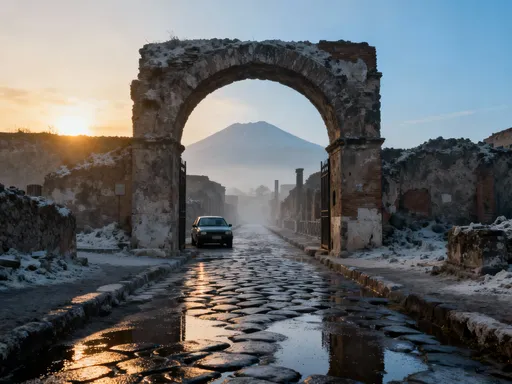
Driving to Pompeii felt like stepping into a time machine. The moment I parked near the ancient gates, I was surrounded by cobblestone streets and crumbling villas frozen in ash. This isn’t just a tourist stop—it’s a living classroom of Roman life, art, and tragedy. Exploring by car gave me freedom to linger, wander nearby hill towns, and truly soak in the history beyond the guidebooks. With Vesuvius looming in the distance and the scent of citrus groves in the air, every turn in the road felt like a step closer to understanding a world preserved by disaster. This journey was not only about sightseeing but about feeling the echoes of a civilization that once thrived in these very streets.
Why Drive to Pompeii?
Choosing to drive to Pompeii offers travelers a rare blend of independence and intimacy with the landscape. Public transportation can be efficient, but it often follows rigid schedules and limits access to surrounding areas that enrich the overall experience. By car, visitors gain the flexibility to explore at their own pace, pause for unplanned discoveries, and extend their cultural immersion beyond the main archaeological site. The ability to make spontaneous decisions—such as pulling over at a roadside fruit stand or adjusting arrival time to avoid peak crowds—transforms a standard visit into a personalized adventure.
One of the greatest advantages of driving is the opportunity to explore off-site attractions that are often missed by guided tour groups. For instance, small hillside towns like Boscoreale and Terzigno, located just minutes from Pompeii, offer quiet charm and authentic glimpses into local life. These communities sit atop volcanic soil enriched by centuries of eruptions and continue to cultivate vineyards and orchards using traditional methods. A brief detour to a family-run winery near the slopes of Mount Vesuvius allows travelers to taste Lacryma Christi wine, a varietal historically linked to the region’s volcanic terroir. Such experiences deepen one’s appreciation for how ancient and modern life coexist in this unique corner of southern Italy.
Parking near the Pompeii archaeological site is both accessible and well-organized. Several official lots are situated within walking distance of the main entrances, including Porta Marina and Piazza Anfiteatro. These facilities accommodate cars, vans, and small buses, with clear signage and attendants available during peak hours. Arriving early in the morning not only ensures a good parking spot but also allows visitors to enter the ruins before the midday influx of tour groups. Driving enables a more relaxed rhythm—spending extra time at a favorite villa, returning after lunch, or even visiting twice in one day to experience different lighting and atmosphere.
The First Glimpse: Entering Pompeii’s Time Capsule
Walking through Porta Marina, the main southern entrance to Pompeii, feels like crossing a threshold into another era. The moment your feet meet the ancient basalt paving stones, worn smooth by two millennia of footsteps, a profound sense of connection emerges. These stones, once trodden by merchants, soldiers, and families, still bear the grooves of Roman cart wheels—silent witnesses to daily life abruptly halted in 79 AD. The air carries a quiet stillness, broken only by distant voices and the rustle of olive trees growing among the ruins. It is here that history ceases to be abstract; it becomes tangible, immediate, and deeply human.
The first sights within the city walls are both humbling and illuminating. Mosaics line the sidewalks, their intricate patterns depicting everything from mythological creatures to household pets. One famous example, the “Cave Canem” (Beware of the Dog) mosaic at the House of the Tragic Poet, greets visitors with a snarling canine rendered in stunning detail. Nearby, preserved bakeries reveal round ovens and stone mills, offering insight into how bread—a staple of the Roman diet—was made. Even ancient graffiti etched into walls provides a rare glimpse into personal thoughts: declarations of love, political slogans, and casual doodles left behind by ordinary citizens.
Equally striking is how public spaces reflect social structure and civic values. The presence of public fountains spaced throughout the city highlights the Romans’ advanced understanding of urban planning and water distribution. Communal baths, such as the Stabian Baths, demonstrate how hygiene and social interaction were intertwined. Separate sections for men and women, changing rooms, and a series of heated chambers illustrate a sophisticated approach to wellness. Walking through these spaces, one gains a deeper appreciation for how culture, technology, and daily routine were seamlessly integrated in Roman society. The tragedy of Pompeii lies not only in its destruction but in the sudden interruption of a vibrant, functioning world.
Must-See Cultural Highlights Inside the Ruins
No visit to Pompeii would be complete without exploring its most iconic landmarks, each offering a window into different facets of Roman life. The Forum, once the heart of civic and religious activity, stands as a powerful testament to Roman urban design. Surrounded by temples, administrative buildings, and market stalls, this open plaza served as the center of political discourse, commerce, and public gatherings. The Temple of Jupiter, dedicated to the king of the gods, rises prominently at one end, its tall columns still conveying a sense of grandeur and reverence. Nearby, the Basilica functioned as a courthouse and business hub, where legal matters were settled and contracts negotiated under arched ceilings adorned with decorative stucco.
Among residential structures, the House of the Faun stands out as one of the largest and most opulent dwellings ever uncovered. Spanning over 3,000 square meters, this aristocratic home features two peristyle gardens, elaborate floor mosaics, and private dining rooms designed for lavish banquets. The most celebrated mosaic, depicting the Battle of Issus between Alexander the Great and Darius III, is a masterpiece of Hellenistic artistry, now housed in the National Archaeological Museum in Naples for preservation. Yet even in its absence, the house’s layout speaks volumes about wealth, status, and the importance of hospitality in Roman culture. The atrium, with its central impluvium designed to collect rainwater, served both practical and symbolic purposes—welcoming guests while reflecting the homeowner’s prosperity.
Religious devotion was woven into everyday life, evident in sites like the Temple of Apollo, one of the earliest religious structures in the city. Positioned near the Forum, it blends Greek and Roman architectural influences, with a hexagonal altar and carved dolphins symbolizing divine protection. Equally significant is the Lupanar, often misunderstood as merely a brothel but better interpreted as a reflection of social realities. Its preserved frescoes and inscriptions provide anthropological data on relationships, gender roles, and urban economy. Meanwhile, the Gladiator Barracks reveal the physical and social conditions of those who entertained the masses. Rows of small cells, training grounds, and chains on the walls speak to both the spectacle and hardship of gladiatorial combat.
Sensory impressions heighten the experience. Sunlight filters through the remnants of rooftops, casting shifting shadows on wall frescoes that depict idyllic landscapes, mythological scenes, and floral motifs. In the amphitheater, the acoustics echo faintly with imagined cheers from an audience of 20,000 spectators. These sensory details transform static ruins into dynamic spaces, allowing visitors to mentally reconstruct the sounds, movements, and emotions of a city that once pulsed with life.
Beyond the Main Path: Off-the-Beaten-Track Corners
While the major attractions draw well-deserved attention, some of Pompeii’s most moving moments occur in quieter, less-visited areas. Away from the central thoroughfares, narrow residential streets wind between modest homes that belonged to artisans, shopkeepers, and freedmen. These dwellings, though smaller than the grand villas, often contain remarkably preserved murals, furniture imprints, and household objects. One such home, the House of the Silver Wedding, features vivid frescoes of theatrical masks and garden scenes, suggesting a family that valued art and entertainment despite limited means. These spaces humanize history, reminding us that Pompeii was not just a city of elites but of everyday people with dreams, routines, and personal tastes.
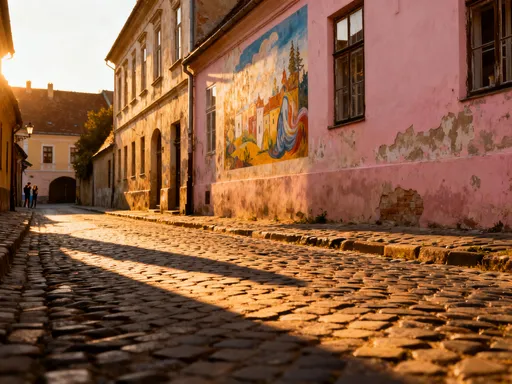
Another overlooked gem is the network of back alleys equipped with raised stepping stones, allowing pedestrians to cross streets during rain without stepping into flowing wastewater. These practical features reveal the Romans’ ingenuity in urban sanitation and pedestrian safety. In the late afternoon, when most tour groups have departed, these quieter zones take on a meditative quality. The golden light slants across weathered walls, and the absence of crowds allows for contemplation. It is during these hushed hours that the weight of history feels most palpable—walking alone down an empty lane, one can almost hear the distant laughter of children or the clatter of a passing cart.
A short drive from the main site leads to the Villa of the Mysteries, located just outside the ancient city walls. This beautifully preserved residence is renowned for its enigmatic fresco cycle, believed to depict the initiation rites of a young woman into the Dionysian mysteries. The figures, rendered in bold red and ochre tones, move in a dramatic procession across the walls of a single room. Their expressions and gestures suggest ritual, transformation, and spiritual awakening. Unlike the bustling core of Pompeii, this villa offers a more introspective experience, inviting reflection on belief systems, personal identity, and the mysteries of life and death. Its relative seclusion makes it an ideal destination for those seeking depth over spectacle.
Life Around the Ruins: Local Culture and Authentic Encounters
The modern town of Pompei—spelled with an 'i' to distinguish it from the ancient city—is more than a gateway to the past; it is a living community where history and daily life intersect. Schools, churches, and family homes stand just beyond the archaeological boundary, creating a unique cultural continuity. Children walk to school past ancient walls, shopkeepers sweep sidewalks near excavated alleyways, and residents gather in piazzas much as their ancestors might have done. This coexistence fosters a deep local pride in heritage, evident in the care taken to preserve both tangible and intangible traditions.
Visitors who take time to engage with the present-day community often find some of the most authentic experiences. Along Via Longitudinale, a road running parallel to the ruins, small vendors sell handmade crafts, volcanic stone jewelry, and traditional sweets like cavallucci—almond-based cookies flavored with honey and citrus zest. These treats, passed down through generations, offer a taste of local culinary heritage. Family-run cafes, often tucked away from main tourist paths, serve espresso and sfogliatella with warmth and simplicity. One such café, nestled near the train station, is managed by a grandmother who shares stories of growing up near the excavation site, recalling how her father once helped archaeologists carry artifacts in the 1950s.
Supporting local businesses not only enhances the travel experience but also contributes to sustainable tourism. Instead of relying solely on mass-market souvenirs, travelers can purchase items made by regional artisans—ceramics inspired by Roman designs, linen napkins embroidered with Pompeian motifs, or olive oil pressed from nearby groves. These meaningful mementos carry a story and support the economic well-being of families who call this historic region home. The relationship between past and present becomes clearer when one sees how tradition informs modern livelihoods, from farming practices to craftsmanship.
Day Trips from Pompeii: Enriching the Cultural Experience
Driving from Pompeii opens the door to a broader exploration of the Bay of Naples’ archaeological treasures. Just 15 minutes west along the coastal road lies Herculaneum, a town buried under pyroclastic flows rather than ash, resulting in exceptional preservation of organic materials. Unlike Pompeii’s expansive ruins, Herculaneum is more compact but astonishingly intact—wooden doors, furniture, and even food remnants have survived. The elevated walkways allow visitors to peer into multi-story homes with intact upper floors, offering a rare vertical perspective on Roman domestic architecture. The Collegium Augustalium, a college for priests dedicated to Emperor Augustus, features vibrant wall paintings and intricate mosaics that rival those in Pompeii.
Further north, the archaeological site of Oplontis presents a striking contrast to urban Pompeii. Here, the Villa Poppaea—an opulent seaside residence believed to have belonged to Emperor Nero’s second wife—spans over 7,000 square meters. Its sprawling gardens, marble-lined pools, and panoramic sea views reflect the luxury enjoyed by the Roman elite. The villa’s state of preservation allows visitors to appreciate architectural details such as stucco reliefs, colored glass windows, and hydraulic systems that supplied fresh water. Interpretive panels and multimedia displays enhance understanding, making Oplontis an excellent complement to Pompeii for those interested in elite lifestyles and imperial connections.
For a more active experience, a drive to the Mount Vesuvius trailhead offers a chance to stand atop the very volcano that reshaped history. The final ascent to the crater is a moderate hike, taking about 30 minutes on a well-maintained path. From the rim, panoramic views stretch across the Bay of Naples, with Capri visible on clear days. The barren landscape inside the caldera serves as a powerful reminder of nature’s force. While the volcano remains active, it is closely monitored by scientists, and visits are safe under current conditions. Combining this natural landmark with the ancient sites creates a holistic narrative—understanding not just what was lost, but why, and how the land continues to shape human life.
Practical considerations enhance these day trips. Roads in the region are generally in good condition, though some rural lanes can be narrow and winding. Using a GPS with updated maps helps avoid confusion, especially in areas with limited signage. Parking at Herculaneum and Oplontis is available nearby, often included with ticket admission. For Vesuvius, a shuttle service operates from Ottaviano during peak seasons, but driving provides more flexibility in timing. Early morning visits are recommended to avoid heat and crowds, particularly in summer months.
Practical Tips for a Smooth Self-Drive Cultural Tour
Planning a self-drive tour to Pompeii and its surroundings requires attention to logistical details, but the rewards far outweigh the effort. Renting a car in Naples or Salerno is straightforward, with multiple international and local agencies offering compact vehicles suitable for narrow streets. Automatic transmission options are available, though manual cars are more common and often more affordable. When selecting a rental, ensure it includes full insurance coverage, roadside assistance, and GPS navigation. Many travelers find that downloading offline maps on their smartphones provides a reliable backup, especially in areas with spotty signal.
Navigating local roads requires awareness of traffic patterns and driving norms. In urban centers, traffic can be dense, and parking regulations strictly enforced. However, once outside city limits, the pace slows, and scenic routes unfold. Fuel stations are plentiful along major highways, and many accept credit cards. It is advisable to carry some cash for tolls on the autostrada and for small purchases at rural stands. Drivers should also be prepared for narrow streets in historic towns, where one-way systems and limited visibility demand caution and patience.
Timing is crucial for an optimal experience. Arriving at Pompeii by 8:00 a.m. allows entry before the arrival of large tour buses, which typically begin around 9:30 a.m. Mornings also offer cooler temperatures and softer light, ideal for photography and comfortable walking. Carrying water, wearing sunscreen, and choosing breathable clothing are essential, especially in summer. To deepen understanding, combining physical exploration with an audio guide or a reputable mobile app significantly enriches the visit. These tools provide historical context, architectural insights, and narratives that bring silent ruins to life.
Finally, embracing a flexible mindset enhances the journey. While it’s helpful to have an itinerary, leaving room for spontaneity often leads to the most memorable moments—a conversation with a local baker, an unexpected sunset over the ruins, or a quiet moment of reflection in a forgotten courtyard. Driving to Pompeii is not merely about reaching a destination; it is about engaging with a landscape shaped by time, nature, and human resilience.
Driving to Pompeii transformed a historical visit into a deeply personal journey. It’s not just about seeing ruins—it’s about feeling the weight of time, connecting with everyday lives lost to ash, and discovering how culture endures. With the open road as your guide, the past becomes vivid, immediate, and unforgettable. From the cobblestone streets of the ancient city to the vineyards clinging to volcanic slopes, every mile tells a story. This is not tourism as spectacle, but as connection—a chance to walk, think, and feel alongside those who came before. In the silence between the stones, history speaks, and through the freedom of the car, we are able to listen more closely than ever before.