You Gotta See These 5 Brasov Districts – I Was Totally Blown Away
Stepping into Brasov, Romania, felt like walking through layers of history and charm. Each district tells its own story, from medieval squares to hidden courtyards. I didn’t expect to fall so hard for a city that blends tradition and vibe so effortlessly. If you're checking in here, trust me—knowing the neighborhoods makes all the difference. This is more than sightseeing; it’s about feeling the pulse of the place. Brasov isn’t just a destination marked on maps—it’s a living, breathing tapestry woven from centuries of culture, resilience, and quiet beauty. Whether you’re drawn to ancient stone walls or modern riverside paths, each district offers a distinct rhythm, a unique way to connect with this mountain-encircled gem. Letting yourself be guided by the character of each neighborhood transforms a simple visit into something deeper: a journey through time, community, and personal discovery.
The Heartbeat of Brasov: Piața Sfatului (Council Square)
Piața Sfatului, or Council Square, stands as the undeniable heart of Brasov, both geographically and culturally. Enclosed by vibrant baroque facades in shades of ochre, terracotta, and soft blue, the square pulses with energy from dawn until dusk. At its center rises the Old Town Hall, a 14th-century structure that once housed the city’s governing council and now serves as a museum, its tall clock tower watching over the comings and goings below. This is where first impressions are made—where travelers step off the bus or out of a taxi and immediately feel the weight and warmth of history.
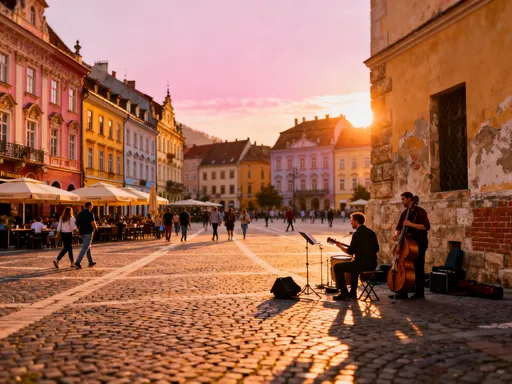
What makes Council Square so essential is not just its beauty, but its function as a living hub. Tourist information kiosks offer maps and guidance, while outdoor cafés with wrought-iron chairs spill onto the cobblestones, inviting visitors to pause with a coffee and soak in the scene. Street performers—musicians, living statues, and folk dancers—add to the ambiance, especially in summer months when the square becomes a stage for informal entertainment. Children chase pigeons, couples share gelato, and locals meet friends for afternoon strolls, all under the shadow of the surrounding mountains that frame the city like protective arms.
Starting your exploration here isn’t just convenient—it sets the tone for your entire stay. From Piața Sfatului, key landmarks are within easy walking distance: the narrowest street in Europe, Strada Sforii, winds just off the square, while the grand entrance to the Old Town lies a few minutes away. The square also serves as a central transit point, with bus lines converging here and signage guiding pedestrians toward major attractions. Whether you’re planning a day of sightseeing or simply finding your bearings, this is the ideal place to orient yourself.
As daylight fades, the atmosphere shifts. Strings of lights twinkle above, restaurants light up their terraces, and the sound of clinking glasses replaces the daytime buzz. The energy doesn’t diminish—it deepens, becoming more intimate, more celebratory. Sitting at a corner table with a glass of Romanian wine, watching the evening unfold, one understands why locals and visitors alike return to this space again and again. Council Square is not merely a place to pass through; it’s a place to belong, even if only for a few hours.
Medieval Vibes in the Old Town (Cetățuia District)
Just beyond Council Square lies the historic core known as Cetățuia, a district defined by its medieval fortifications and remarkably preserved architecture. This was once the walled city of the Transylvanian Saxons, and today, the remnants of that era remain strikingly intact. Towering stone walls, punctuated by defensive towers like Turnul Negru (the Black Tower), encircle the district, offering not only a glimpse into Brasov’s past but also some of the most breathtaking panoramic views in the region. Walking along the fortified ramparts at sunrise, with mist curling over red-tiled rooftops and the Carpathian peaks glowing in the distance, feels like stepping into a storybook.
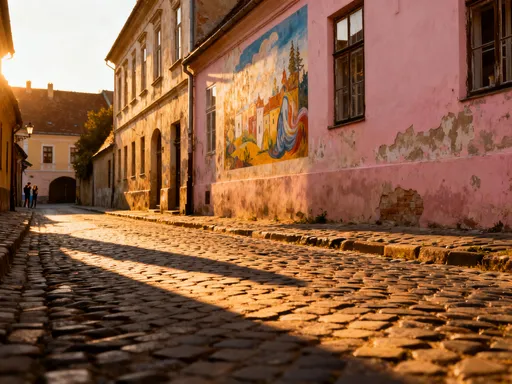
The streets within Cetățuia are narrow and cobbled, laid down centuries ago and still bearing the marks of time. Every turn reveals another architectural gem—a 15th-century merchant’s house with ornate stonework, a centuries-old clock embedded in a church wall, or a tucked-away courtyard blooming with ivy and climbing roses. At the heart of this district stands Biserica Neagră, or the Black Church, one of the most iconic landmarks in all of Romania. Built in the 14th century and named for the soot that darkened its walls after a devastating fire in 1689, this Gothic masterpiece is both solemn and majestic. Inside, its vaulted ceilings soar, and the world’s largest collection of Anatolian rugs from the 15th and 16th centuries hangs with quiet dignity.
What makes Cetățuia so compelling is the depth of immersion it offers. Unlike destinations that feel curated for tourists, this district retains a lived-in authenticity. Shop windows display handmade lace, local honey, and carved wooden souvenirs, many produced by artisans who have practiced their craft for generations. Boutique boutiques occupy restored buildings, blending modern design with historic bones. Visitors can sip herbal tea in a centuries-old apothecary-turned-café or browse books in a small independent shop housed in a former guildhall.
For travelers seeking connection to history, Cetățuia is unmatched. It invites slow exploration—wandering without a strict itinerary, pausing to admire a carved door or listen to the echo of footsteps on ancient stone. Guided walking tours are available and highly recommended, especially for those unfamiliar with Transylvanian history, as they provide context for the symbols, architectural styles, and cultural shifts visible in the streets. Yet even solo exploration rewards curiosity. There’s a sense of reverence here, a quiet understanding that you are walking where merchants, scholars, and families once lived, loved, and built a community that has endured for centuries.
A Local’s Escape: Schei District’s Quiet Charm
If Cetățuia represents the Saxon legacy of Brasov, then Schei District tells the story of the Romanian Orthodox community that once lived just beyond the city walls. Historically, Schei was a separate village, accessible only through a guarded gate, and it maintained its own cultural identity for generations. Today, it offers a peaceful contrast to the busier tourist zones, with tree-lined streets, pastel-colored houses, and a rhythm of life that feels unhurried and deeply rooted in tradition.
The centerpiece of Schei is the St. Nicholas Church, an 18th-century Orthodox church renowned for its stunning interior frescoes and gilded iconostasis. Unlike the grand Gothic austerity of the Black Church, St. Nicholas exudes warmth and spiritual richness. Locals come here for Sunday services, lighting candles and whispering prayers, and visitors are welcome to enter quietly and absorb the atmosphere. The scent of incense lingers in the air, and the soft glow of oil lamps illuminates centuries-old icons. It’s not uncommon to see elderly women in headscarves tending to flower beds or priests in long black robes moving through the courtyard—scenes that feel timeless.
What makes Schei truly special is its authenticity. This is not a district designed for tourism; it’s a neighborhood where people live, work, and raise families. Along its quieter streets, small family-run restaurants serve traditional Romanian dishes like sarmale (cabbage rolls), mămăligă (polenta), and ciorbă de burtă (tripe soup), often prepared with recipes passed down through generations. These eateries lack flashy signage or online reviews, but they offer some of the most genuine culinary experiences in the city. A meal here isn’t just about food—it’s about hospitality, connection, and the simple joy of sharing a table.
Morning markets add another layer of local flavor. Vendors sell fresh produce, homemade cheese, and jars of wild berry jam, often grown or made in nearby villages. Neighborhood bakeries offer cozonac (sweet bread) still warm from the oven, and elderly women barter with familiar ease. For travelers wanting to move beyond postcard moments, Schei provides a rare opportunity to witness everyday life in a Romanian community. It’s the kind of place where a friendly nod from a passerby feels meaningful, where time seems to slow, and where one can sit on a bench in a quiet square and simply breathe.
Urban Cool Meets Nature: Torcova’s Riverside Flair
Just a short distance from the historic center, Torcova offers a modern counterpoint to Brasov’s medieval districts. Primarily a residential neighborhood, Torcova is known for its green spaces, wide boulevards, and proximity to nature. Nestled along the banks of the River Târlung, it provides easy access to Valea Cerbului (Deer Valley), a popular recreational area that draws hikers, cyclists, and families seeking fresh air and scenic views. For travelers who value both comfort and outdoor adventure, Torcova strikes an ideal balance.
The district’s appeal lies in its seamless integration of urban living and natural beauty. Apartment buildings and modern homes are surrounded by parks and tree-lined avenues, creating a clean, airy atmosphere. Public walking paths follow the river, leading into forested trails that climb into the Carpathian foothills. In spring and summer, these paths are alive with wildflowers and bird song; in autumn, the foliage turns brilliant shades of gold and crimson. Winter brings a hush, with snow dusting the branches and locals strapping on cross-country skis or snowshoes.
Staying in Torcova offers practical advantages. Accommodations here tend to be more spacious and often include amenities like private parking, which can be a rare luxury in the crowded Old Town. Many vacation rentals and guesthouses are designed with comfort in mind—modern kitchens, large windows, and balconies overlooking greenery. This makes the district especially appealing for longer stays, families, or travelers who appreciate a quieter environment after a day of sightseeing.
Yet Torcova is not isolated. Public buses connect it efficiently to the city center, and taxis are readily available. Residents enjoy easy access to supermarkets, pharmacies, and local cafes, making daily life convenient without sacrificing tranquility. For those who want to start their day with a jog along the river or end it with a picnic under the stars, Torcova provides a refreshing alternative to the constant stimulation of the historic core. It’s proof that Brasov offers more than ancient walls and cobblestones—it’s a city where modern life and natural beauty coexist in harmony.
Hidden Courtyards & Street Art: The Revival of Brașovechi
One of Brasov’s most exciting transformations is unfolding in Brașovechi, a lesser-known district that was once overlooked but is now emerging as a hub of creativity and renewal. Nestled between more established neighborhoods, Brașovechi has long been home to quiet streets and modest buildings, many of which housed artisans and working-class families. In recent years, however, artists, designers, and young entrepreneurs have begun revitalizing its hidden corners, turning forgotten courtyards into galleries and blank walls into canvases for vibrant murals.
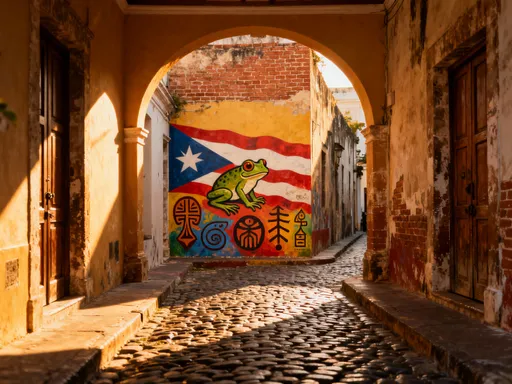
Exploring Brașovechi feels like discovering a secret. You might wander down an unassuming alley and suddenly find yourself in a sunlit courtyard where a local painter displays their work on easels, or where a weekend pop-up market sells handmade ceramics and organic soaps. Street art here is not random graffiti—it’s intentional, often carrying messages of hope, cultural pride, or environmental awareness. One mural depicts a woman weaving a tapestry of Romanian folk patterns; another shows a wolf gazing toward the Carpathians, symbolizing the region’s wild spirit.
What makes Brașovechi so captivating is its sense of possibility. Unlike the carefully preserved history of Cetățuia or the quiet traditions of Schei, this district feels alive with change and experimentation. Small independent galleries host rotating exhibitions, and converted workshops serve as studios for potters, jewelers, and textile artists. Some buildings have been transformed into boutique cafés with minimalist interiors and excellent coffee, attracting a younger, creative crowd.
For travelers who love to explore beyond the guidebooks, Brașovechi offers rich rewards. It’s a place to engage with local artistry, to strike up conversations with makers, and to witness urban regeneration in action. Timing your visit during one of the city’s cultural weekends can enhance the experience, as open studios, live music, and temporary installations bring even more energy to the streets. There’s a sense of community here—a shared belief that beauty and meaning can be found in renewal, in giving old spaces new life. Brașovechi may not yet be on every tourist map, but for those who seek authenticity and inspiration, it’s quickly becoming a must-see.
Practical Check-In Tips: Choosing Your Base by District
With so much to offer, deciding where to stay in Brasov can shape your entire experience. Each district caters to different travel styles, priorities, and rhythms. Understanding these distinctions can help you choose a base that aligns with your goals, whether you’re here for a weekend getaway or an extended retreat.
If your focus is sightseeing and immersion in history, the Old Town (Cetățuia) is the natural choice. Staying within the walled city means waking up steps from Council Square, the Black Church, and Strada Sforii. Accommodations here range from boutique guesthouses in restored merchant homes to small hotels with rooftop terraces offering mountain views. The convenience is unmatched—many major attractions are within a five-minute walk. However, this area can be noisy in peak season, and parking is extremely limited, so travelers without a car will find it easiest to navigate.
For those seeking a more relaxed, culturally rich experience, Schei District offers an excellent alternative. It’s close enough to the center to walk in under 15 minutes, yet feels worlds apart in atmosphere. Family-run pensions and small inns provide warm, personalized hospitality, often with home-cooked breakfasts featuring local jams and cheeses. This is the ideal base for travelers who want to experience Romanian daily life, enjoy authentic meals, and explore at a gentle pace.
If you value nature and modern comfort, Torcova is a strong contender. With more vacation rentals, apartment-style stays, and green surroundings, it’s well-suited for families, long-term visitors, or anyone who appreciates space and quiet. Public transportation makes it easy to reach the center, and having a car is less of a burden here, with more available parking. It’s also a great launch point for day trips into the Carpathians, whether for hiking, skiing, or visiting nearby monasteries.
For the adventurous and artistically inclined, Brașovechi offers a unique, off-the-beaten-path option. While lodging choices are still limited, the district’s growing popularity means more boutique stays are emerging. Staying here puts you at the heart of a creative movement, with access to galleries, pop-up events, and a vibrant local scene. It’s perfect for travelers who want to feel like pioneers, discovering a neighborhood before it becomes widely known.
Regardless of where you stay, Brasov is highly walkable, and the public bus system is reliable and affordable. Most hotels and guesthouses provide detailed maps and route advice, and many locals speak enough English to assist with directions. The key is to align your accommodation with your travel values: history, tranquility, nature, or discovery. As a general rule: if you love bustling energy and timeless architecture, stay in the Old Town; if you crave authenticity and quiet, choose Schei; if you want comfort and outdoor access, pick Torcova; and if you’re drawn to creativity and renewal, explore Brașovechi.
Why Districts Define Your Brasov Experience – A Final Takeaway
Brasov is not a city that can be fully understood in a single glance or a rushed itinerary. It reveals itself gradually, district by district, each neighborhood offering a different shade of its identity. From the grandeur of Council Square to the quiet devotion of Schei, from the ancient stones of Cetățuia to the fresh energy of Brașovechi, every part of the city contributes to a richer, more nuanced portrait. To visit Brasov is not just to check off landmarks—it is to engage with layers of history, culture, and community.
What sets this city apart is its ability to honor the past while embracing the present. The medieval walls still stand, but they no longer divide; instead, they frame a living city where tradition and innovation coexist. The Orthodox churches continue to serve their congregations, while street artists paint new stories on old walls. Tourists wander through historic squares, but they are welcomed into family kitchens and neighborhood markets, invited to taste, to listen, to belong.
The true magic of Brasov lies in slowing down—choosing to linger in a café, to follow an unfamiliar street, to accept an invitation for tea from a local. It’s in these unplanned moments that the city reveals its soul. Each district, with its own rhythm and character, invites a different kind of connection. One does not simply visit Brasov; one experiences it, piece by piece, memory by memory.
As you plan your journey, consider not just where to go, but how to be. Travel with curiosity. Walk with intention. Listen to the stories behind the facades. Brasov rewards those who look beyond the postcard, who seek not just to see, but to feel. Whether you come for the mountains, the history, or the quiet charm of a neighborhood bakery at dawn, you will leave with more than photographs—you will carry the quiet pulse of a city that remembers, that creates, that welcomes.