You Won’t Believe What Key West’s Local Shops Are Hiding
Stepping into Key West feels like flipping through the pages of a sun-bleached storybook—colorful, unpredictable, and full of charm. But beyond the sunsets and sandy paths, something unexpected waits: the island’s true magic lies in its specialty products. From handcrafted key lime treats to locally made nautical art, these treasures tell the soul of the island. I was blown away by how much character fits into a small bottle of sea salt spray or a painted conch shell. This isn’t just shopping—it’s collecting memories.
The Unexpected Charm of Key West’s Local Economy
Key West’s economy thrives on more than just tourism—it breathes through the creativity and resilience of its small businesses. Located at the southernmost tip of the continental United States, the island’s geographic isolation has shaped a marketplace that values self-reliance and authenticity. With limited access to mainland supply chains, many entrepreneurs have turned inward, drawing inspiration from local resources, traditions, and talent. This has given rise to a vibrant network of artisans, bakers, and designers who produce goods that reflect the island’s distinct personality.
Tourism remains a cornerstone of the local economy, but there has been a noticeable shift in recent years. Visitors are no longer satisfied with mass-produced souvenirs bearing generic island slogans. Instead, they seek meaningful connections and authentic experiences—something tangible they can take home that truly represents where they’ve been. This demand has empowered local makers to flourish, offering one-of-a-kind items that tell a story. Whether it’s a jar of hand-stirred key lime marmalade or a necklace made from salvaged sea glass, these products carry the spirit of Key West in every detail.
Sustainability also plays an increasing role in how goods are made and sold. Many shops prioritize eco-friendly packaging, locally sourced ingredients, and low-impact production methods. Some vendors even partner with conservation groups, donating a portion of proceeds to marine protection efforts. This alignment between commerce and environmental stewardship reflects a deeper understanding among residents that preserving the island’s natural beauty is essential to its economic future. As a result, shopping here becomes more than a transaction—it becomes a small act of support for the community and its values.
The transformation from souvenir stands to curated local marketplaces speaks to a broader cultural evolution. Where plastic flamingos once dominated shelves, you now find hand-thrown pottery, organic botanical sprays, and artisanal hot sauces made with island-grown peppers. These shifts reveal a marketplace maturing alongside its visitors, offering not just trinkets, but testaments to craftsmanship and place. For travelers, this means every purchase holds the potential to deepen their connection to the island—not just as a destination, but as a living, breathing community.
Key Lime Everything: More Than Just a Pie
No flavor captures the essence of Key West quite like key lime. Tart, aromatic, and refreshingly bright, this citrus has become synonymous with the island itself. While the famous key lime pie remains a beloved staple, local producers have expanded far beyond dessert. Today, visitors can find key lime-infused products in nearly every category—from gourmet condiments and beverages to skincare and household cleaners. This explosion of creativity showcases both the versatility of the fruit and the ingenuity of those who grow and craft with it.
Historically, key limes were introduced to the Florida Keys by early settlers and thrived in the region’s tropical climate. Though hurricanes and urban development have reduced native groves over time, dedicated farmers and gardeners continue to cultivate authentic key limes, often in backyard orchards or small organic farms. These tiny, yellow-green fruits are more fragrant and acidic than their Persian lime counterparts, giving them a distinctive edge that cannot be replicated. True key lime products use real juice, zest, or oil—not artificial flavoring—and many local brands proudly highlight this on their labels.
Walking through a specialty shop in Old Town, you might come across jars of key lime marmalade, perfect for spreading on morning toast. Nearby, bottles of key lime vinaigrette offer a zesty twist for salads, while spicy key lime mustard adds a tropical kick to sandwiches. For those with a sweet tooth, options abound: chewy key lime candies, creamy fudge, and even key lime popcorn. Beverage lovers can enjoy key lime iced tea, sparkling water, or craft sodas that balance sweetness with a sharp citrus finish.
Even personal care items have embraced the trend. Local apothecaries sell key lime-scented lotions, soaps, and lip balms, often blended with shea butter or aloe vera for added nourishment. Some brands combine key lime with sea salt or coconut oil, creating body scrubs that evoke the sensation of a beachside spa. These products are not only indulgent but also rooted in tradition—citrus has long been used in Caribbean cultures for its cleansing and invigorating properties.
To ensure authenticity, travelers should look for products labeled as made with “real key lime juice” or produced locally. Stores like the Key West Key Lime Shop and various farmer’s markets often carry certified goods, sometimes even offering tastings. By choosing genuine items, visitors support small-scale producers and experience the true taste of the island—one that goes far beyond the pie.
Handmade Jewelry with Island Soul
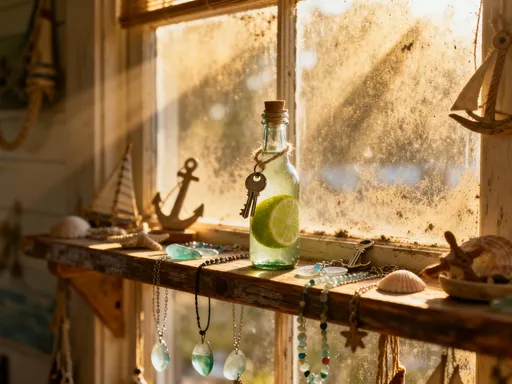
Jewelry in Key West is more than adornment—it’s wearable art infused with the rhythm of the tides and the colors of the reef. Local artisans craft pieces that reflect the island’s marine environment, using materials like sea glass, conch shells, coral motifs, and even reclaimed metals from old boats. Each item tells a story, whether it’s a pendant shaped like a dolphin caught mid-leap or earrings made from smooth, ocean-tumbled glass in shades of aquamarine and seafoam green.
One of the most cherished materials is sea glass, naturally weathered by saltwater and waves over decades. Found along quiet beaches after storms, these frosted fragments are transformed into elegant necklaces, bracelets, and rings. Artisans carefully select each piece for color and texture, setting them in sterling silver or gold-plated bezels that enhance their organic beauty. Because no two pieces of sea glass are identical, every jewelry creation is inherently one-of-a-kind—a fitting metaphor for the uniqueness of personal travel memories.
Conch pearls, though rare, are another prized element in local designs. Formed inside the queen conch shell, these natural pearls come in soft pastels—pinks, lavenders, and peaches—and are highly valued for their luster and scarcity. Skilled jewelers incorporate them into delicate pendants or accent stones, often pairing them with tropical motifs such as palm trees, flamingos, or sailing vessels. These designs resonate deeply with visitors who want to carry a symbol of the island’s natural wonders close to their hearts.
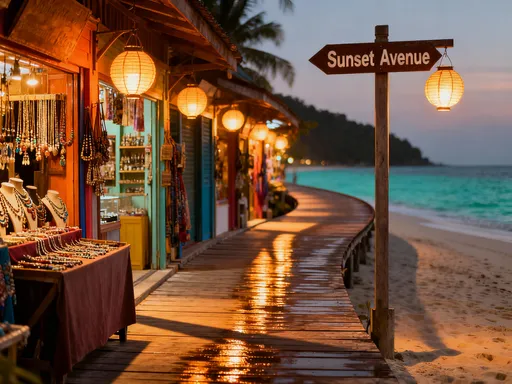
Many jewelers operate out of small studios or open-air booths in Duval Street and the Bahama Village Arts District, inviting guests to watch them work or discuss the inspiration behind their pieces. This direct connection between maker and buyer enhances the emotional value of each purchase. Shoppers often leave not just with a beautiful item, but with a name, a story, and a memory of the artist who created it.
For those seeking sustainable options, several designers use recycled silver and ethical sourcing practices. Some collaborate with ocean cleanup initiatives, turning recovered fishing nets or debris into wearable art. These efforts underscore a broader commitment within the community to protect the very environment that inspires their creativity. When you buy handmade jewelry in Key West, you’re not just acquiring an accessory—you’re honoring a tradition of artistry and stewardship.
Nautical Crafts and Art from Local Makers
The maritime heritage of Key West runs deep, and its influence is vividly expressed in the island’s handmade crafts and artwork. From driftwood sculptures to rope-wrapped mirrors and repurposed sailcloth bags, local creators transform salvaged materials into functional and decorative masterpieces. These works are more than just home decor—they are tributes to the sea, to seafaring history, and to the resourcefulness born of island life.
Walking through galleries in Old Town or browsing pop-up markets on Greene Street, you’ll encounter artists who draw directly from their surroundings. A retired boat captain might carve intricate models of historic schooners from mahogany, while a former fisherman turns lobster traps into wall art adorned with painted buoys and weathered nets. Every piece carries the marks of use and time, celebrating imperfection and history rather than concealing it.
One standout example is the use of reclaimed wood from dismantled schooners and piers. Craftsmen dry and sand the timber, preserving its salt-stained grain and nail holes as design features. Tables, wall hangings, and shadow boxes are built with care, often inlaid with brass compasses, vintage nautical charts, or engraved plaques noting the origin of the wood. These items serve as conversation starters, blending functionality with storytelling.
Textile artists also contribute to the nautical aesthetic, sewing tote bags and cushion covers from decommissioned sails. The durable Dacron fabric, once stretched taut across masts, now bears hand-stenciled sea turtles, lighthouses, or the coordinates of Key West. These textiles are both durable and meaningful, offering a tactile link to the island’s sailing culture.
Galleries such as the Custom House Museum and smaller co-ops like the Studios of Key West provide platforms for artists to showcase their work. Seasonal events like the “Island Art Festival” bring together dozens of makers, allowing visitors to meet creators, witness live demonstrations, and purchase directly from the source. This transparency fosters trust and appreciation, reinforcing the value of handmade over mass-produced decor.
For collectors or interior designers, these nautical crafts offer a way to bring coastal elegance into any home. But more importantly, they represent a philosophy of reuse, respect for history, and love for the sea—values that define Key West as much as its turquoise waters and coral reefs.
Island-Inspired Fashion That Stands Out
Fashion in Key West is designed for sunshine, sea breezes, and barefoot strolls along the waterfront. Local designers have mastered the art of creating clothing that is both stylish and practical, blending tropical flair with comfort and sustainability. Unlike generic beachwear found in big-box stores, island-made apparel often features original prints, breathable fabrics, and thoughtful details that reflect the culture and ecology of the Keys.
Boutiques throughout Old Town offer collections made from organic cotton, hemp, and recycled fibers. Flowing sundresses, linen shirts, and wide-brimmed hats are staples, often dyed in hues inspired by sunsets, coral reefs, and tropical birds. Some designers collaborate with local artists to create signature patterns—perhaps a repeating motif of conch shells, sailboats, or mangrove roots—printed using eco-friendly dyes.
One particularly unique offering is the hand-dyed sarong, transformed from simple fabric into wearable art through batik, tie-dye, or block printing techniques. Each piece emerges with subtle variations, making it truly individual. These versatile garments can be worn as dresses, skirts, shawls, or even beach cover-ups, appealing to women who value both function and self-expression.
Footwear also gets a local twist. While flip-flops are ubiquitous in tropical destinations, Key West artisans elevate them with hand-painted designs—starfish, seahorses, or palm fronds delicately brushed onto leather straps. Some brands use recycled rubber soles and partner with local charities, donating a pair for every purchase. These small ethical choices resonate with conscientious shoppers who want their style to align with their values.
Children’s clothing lines have also embraced the island aesthetic, featuring soft cotton onesies printed with baby sea turtles or miniature lighthouses. Parents appreciate the quality stitching and non-toxic dyes, knowing their little ones are dressed in safe, locally made garments. Hats with UPF protection and lightweight sun shirts ensure comfort during outdoor adventures, blending practicality with charm.
By supporting local fashion designers, visitors contribute to a growing movement that values slow fashion over fast trends. These creators invest time, skill, and passion into every piece, producing wardrobes that last longer and mean more. Wearing something made in Key West becomes a quiet celebration of place—a way to carry the island’s rhythm in the sway of a skirt or the glint of a painted sandal.
Hidden Markets and Where to Find Real Treasures
Beyond the well-trodden streets of Duval and Mallory Square, Key West hides a network of lesser-known markets where the most authentic finds await. These gatherings—weekly farmers' markets, seasonal craft fairs, and community co-ops—offer a more intimate shopping experience, connecting visitors directly with the people who grow, bake, and build their goods. They are the heartbeat of the local economy, pulsing with color, scent, and conversation.
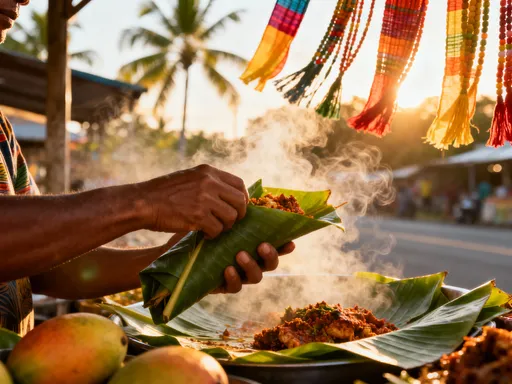
The Old Town Farmers Market, held every Saturday morning at the Truman Waterfront, is a prime destination. Under shaded canopies, vendors display baskets of tropical fruit—mangos, guavas, and soursop—alongside jars of raw honey, homemade granola, and fresh-cut flowers. Local farmers take pride in their chemical-free growing methods, often sharing tips on how to prepare exotic fruits or use herbs in everyday cooking. Musicians play softly in the background, adding to the relaxed, communal atmosphere.
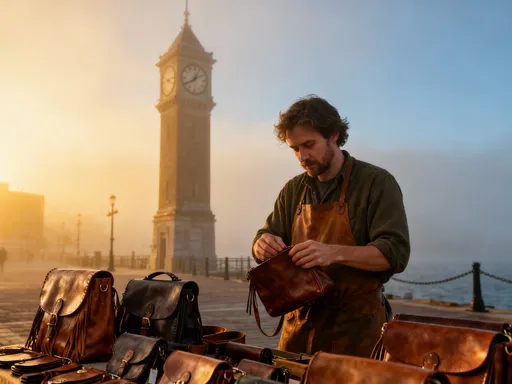
Craft fairs pop up throughout the year, especially during festival season. The “Conch Republic Craft Expo” and “Holiday Artisan Market” attract dozens of local makers, each booth a window into a different creative world. Here, you might find hand-carved wooden spoons, embroidered tea towels, or ceramic mugs glazed in oceanic blues. Unlike mall kiosks, these vendors are usually the actual artisans, happy to explain their process or customize an order.
Cooperative stores, such as the Key West Artisan Co-Op, pool resources from multiple creators under one roof. This model allows emerging artists to reach customers without the burden of high rent. Shoppers benefit from curated selection and consistent quality, knowing that every item has been vetted for authenticity and origin. Staff members often rotate among the contributing artists, offering personal insights into the pieces on display.
For the discerning traveler, these markets offer the best chance to avoid mass-produced imports disguised as local goods. A few simple tips can help: look for handwritten labels, ask where the materials were sourced, and check for signs of handcrafting like slight imperfections or unique finishes. If a vendor hesitates or cannot describe their process, it may be a red flag. Genuine artisans are usually eager to share their story.
The best times to visit are weekday mornings or early weekends, when crowds are thinner and vendors are more relaxed. While bargaining is not common in Key West, friendly conversation is always welcome—and often leads to unexpected discoveries, like a last piece tucked away behind the counter or an invitation to a private studio tour. These moments turn shopping into something richer: a human connection rooted in creativity and place.
Bringing Key West Home: How to Choose Meaningful Souvenirs
In an age of instant gratification, souvenir shopping can easily become a series of impulse buys—tchotchkes collected without thought and forgotten in a drawer. But in Key West, the abundance of handcrafted, locally made goods invites a different approach: intentional selection. Choosing souvenirs thoughtfully transforms them from mere objects into lasting symbols of experience, emotion, and connection.
A good starting point is to reflect on what moved you during your visit. Was it the golden light at sunset over the Gulf? The sound of waves against the seawall? The taste of fresh key lime pie at a sidewalk café? Let those memories guide your choices. A small painting of a lighthouse at dusk, a jar of sea salt infused with lime zest, or a conch shell wind chime can all serve as sensory anchors, reviving the feeling of being there.
To ensure authenticity, use a simple checklist: Is the item made in Key West? Was it created by the person selling it? Does it use local materials or reflect regional culture? Items that meet these criteria are more likely to be genuine and sustainable. Look for tags that list the maker’s name, studio location, or production method. Certifications like “Made in the Florida Keys” or membership in local artisan alliances add credibility.
Fragile items like glasswork, ceramics, or delicate jewelry require careful packing. Wrap them in soft clothing when traveling, or ask the vendor for extra padding. Some shops offer shipping services, which can be a wise option for larger pieces like driftwood sculptures or framed art. This not only protects your purchase but also supports the business directly.
Finally, consider how your purchase impacts the community. Buying local keeps money within the island economy, helping families, artists, and small farms thrive. It also encourages the preservation of cultural traditions that might otherwise fade. Every handmade item represents hours of labor, skill, and passion—values worth honoring.
When you return home, let your souvenirs be more than decorations. Place them where you’ll see them daily—a seashell on your desk, a key lime candle in your kitchen, a painting above your sofa. Let them remind you not just of a place, but of a feeling: the warmth of the sun, the ease of island time, the joy of discovery.
More Than a Memento—A Piece of Paradise
The specialty products of Key West are not merely things to buy—they are fragments of a lifestyle, echoes of a culture shaped by sea and sun. Each handmade item carries the imprint of its creator, the scent of the ocean, and the pulse of island life. When you choose to bring one home, you’re not just acquiring a souvenir; you’re preserving a moment, supporting a dream, and participating in a tradition of craftsmanship that defines this unique corner of the world.
In a globalized marketplace where so much feels interchangeable, Key West stands apart. Its shops offer not mass replication, but individual expression. They invite travelers to look deeper, to engage with people, and to find beauty in the handmade, the imperfect, the authentic. This is shopping with purpose—a way to honor both the place you’ve visited and the values you hold dear.
So on your next journey, resist the urge to grab the first trinket you see. Instead, wander into a local market, strike up a conversation with an artist, and let yourself be surprised by what you find. Seek out the stories behind the objects. Choose items that speak to your heart, not just your checklist. In doing so, you’ll carry home more than a memento—you’ll carry a piece of paradise, stitched together by memory, meaning, and the quiet pride of knowing you supported something real.